

What Is Electric Motorcycle Battery
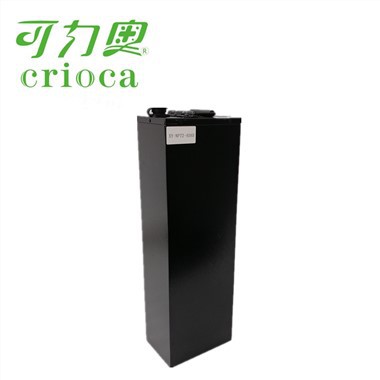
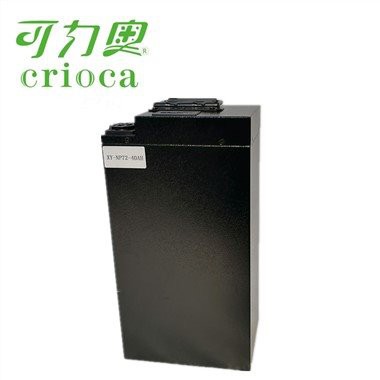
An electric motorcycle battery is a rechargeable battery used to power an electric motorcycle. These batteries can be made of different materials, such as lithium-ion, nickel-metal hydride, or lead-acid, depending on the type and performance of the motorcycle. The battery stores electrical energy that is converted into mechanical energy to power the electric motor, allowing the motorcycle to run without using gasoline or emitting harmful gases into the environment.
Advantages of Electric Motorcycle Battery
Eco-Friendly: Electric motorcycles are eco-friendly as they do not produce harmful emissions. They are powered by rechargeable lithium-ion batteries, which can be charged using clean energy sources such as solar or wind power.
Silent Operation: Electric motorcycles are silent, making them ideal for use in urban areas where noise pollution is a concern. They offer a peaceful riding experience without disturbing the environment.
Renewable Energy Source: Electric motorcycle batteries can be charged using renewable energy sources such as solar and wind power. This makes electric motorcycles an even more sustainable and eco-friendly mode of transportation.
Performance: Electric motorcycles offer excellent performance, including fast acceleration, high torque, and smooth, easy handling. They offer a more thrilling and exciting riding experience than traditional motorcycles.
Convenience: Electric motorcycles are convenient to charge, and their batteries can be charged at home or at public charging stations. This makes it easier to travel long distances without worrying about fuel costs or range anxiety.
Easy to Maintain: Electric motorcycles have fewer moving parts compared to traditional motorcycles, which makes them easy to maintain and repair, resulting in lower maintenance costs and fewer breakdowns.






Why Choose Us
Rich Experience
Our company has many years of production work experience. The concept of customer-oriented and win-win cooperation makes the company more mature and stronger.
Customized services
Our team of experts will work closely with you to understand your needs and will provide solutions that are tailored to meet your expectations.
One-stop Solution
With rich experience and one-to-one service,we can help you choose products and answer technical questions.
Competitive Price
We have professional sourcing team and cost accounting team, stive to reduce cost and profit and provide you a good price.
How Battery Weight Affects Electric Motorcycle Performance
Acceleration Ability
The heavier the weight of the battery, the acceleration ability of the electric motorcycle will be affected. This is because an electric motorcycle consumes energy to accelerate, and a heavier battery causes more energy to be used to support its own weight, so acceleration is slower.
Driving Distance
The weight of the battery will also affect the endurance of the electric motorcycle. A heavier battery requires more energy to travel the same distance, so a heavier battery will limit the range of an electric motorcycle.
Steering Stability
A heavier battery can affect the steering stability of an electric motorcycle. This is because a heavier battery will increase the height of the vehicle's center of gravity, affecting steering and balance.
Load Capacity
A heavier battery will reduce the load capacity of an electric motorcycle. This is because heavier batteries take up some of the load capacity, reducing the amount of weight an electric motorcycle can carry.
What Factors To Consider When Buying An Electric Motorcycle Battery
If You'Re Planning On Purchasing An Electric Motorcycle Battery, Here Are Some Factors To Consider.
Battery Type
There are usually three types of electric motorcycle batteries: lead-acid batteries, nickel metal hydride batteries, and lithium batteries. Lithium batteries are currently the more common electric motorcycle batteries. They have higher power, lighter weight, and longer life, but are also more expensive.
Battery Capacity
Battery capacity refers to the amount of electricity that a battery can store, generally expressed in units of "ampere hours" (Ah). When purchasing an electric motorcycle battery, you should decide on the battery capacity selection based on the mileage and power you need. Do not blindly pursue super large capacity and waste costs.
Battery Voltage
Battery voltage refers to the voltage output by the battery. It refers to the energy of discharge driven by the electrochemical reaction in the battery, and is generally expressed in "volts" (V). Depending on the motorcycle's motor needs and electronics configuration, the appropriate battery voltage should be selected.
Brand And Quality
When choosing electric motorcycle batteries, choose a reliable brand. A good brand guarantees good quality and after-sales service. You can find out what other users say about the brand on the Internet.
Price
The price of electric motorcycle batteries ranges from a few hundred yuan to several thousand yuan, and the price may change depending on the battery capacity, brand and performance. A reasonable budget and long-term use costs should be considered to find the product with the best price/performance ratio.
Security
Battery safety is very important, and purchasing high-quality and reliable batteries can help reduce the risk of accidents. You should check the safety certification and warranty period of the product before purchasing.
What Is The Difference Between Lithium-Ion Batteries And Lead-Acid Batteries For Electric Motorcycles


Battery life: Lithium-ion batteries generally last longer than lead-acid batteries and can be used more times, so they require less maintenance and fewer replacements. The life of lead-acid batteries is usually around 2 to 3 years, while the life of lithium-ion batteries can reach more than 5 years.
Weight: Lithium-ion batteries are lighter than lead-acid batteries, about half as much. This means that the use of lithium-ion batteries in electric motorcycles can reduce the overall weight and improve endurance and acceleration performance.
Charging Time: Lithium-ion batteries generally charge faster than lead-acid batteries. Charging time depends on the battery capacity of the electric motorcycle, but generally charging times are much faster than lead-acid batteries. Lithium-ion batteries typically take 2 to 3 hours to charge, while lead-acid batteries require 4 to 8 hours.
Price: Lithium-ion batteries generally cost more than lead-acid batteries. Although the price of lithium-ion batteries has dropped, they are still more expensive than lead-acid batteries. However, given that lithium-ion batteries last longer and require less replacement and maintenance, the overall cost of lithium-ion batteries is likely to be lower in the long run.
Safety: Lead-acid batteries are relatively safe to use, while lithium-ion batteries can be more dangerous. Although lithium-ion batteries are very mature, their safety still needs to be established. If not used or maintained correctly, lithium-ion batteries can overheat or even catch fire.
Process of Electric motorcycle battery
The Production Process Of Electric Motorcycle Batteries Generally Includes The Following Steps.
Preparation Of Positive And Negative Plates
For general electric motorcycle batteries, the commonly used positive plate is lithium cobalt oxide material, while the negative plate is often made of graphite material. These materials need to be mixed, compressed into thin sheets, and processed at high temperatures to ultimately form positive and negative plates.
Coating Of Positive And Negative Electrode Plates
The prepared positive and negative electrode plates need to deposit electrolyte onto the surface of the positive and negative electrode materials through coating technology. This increases electrode surface area and activity, improving battery capacity and performance.
Preparation Of Electrolyte
Electrolyte usually consists of solvents, salts and additives, which are used to provide ionic conductors so that the battery can generate electric current. Commonly used electrolytes include acidic electrolyte and alkaline electrolyte.
Connection
Place the prepared positive and negative electrode sheets on the conductive plastic film respectively, then stack the different sheets and arrange them into battery cores, and bond them with insulating tape. Connect the positive and negative terminals at the same time to form a battery pack.
Encapsulation
When encapsulating the battery core, a polymer is used to protect the battery core and connect the battery core to prevent internal short circuit and external pollution of the battery core, thereby extending the life of the battery core. The cell casing is made of aluminum foil or polymer material.
Assembly
When assembling the battery pack, components such as battery chips and protection circuit boards need to be integrated together, tested and calibrated to ultimately form a complete electric motorcycle battery.
What Safety Measures Are In Place To Prevent Batteries From Overheating Or Catching Fire
Here Are Some Safety Measures To Prevent Your Battery From Overheating Or Catching Fire.
Use Regular Batteries: Choose batteries from regular brands and try to avoid using batteries from unknown sources or low-quality batteries. Regular batteries usually undergo strict quality control and testing to ensure their safety.
Try Not To Overcharge: When the battery is fully charged, unplug the charger in time to avoid overcharging the battery. This will reduce stress and heat on the battery when overcharging and preserve its use.
Avoid Over-Discharging: Batteries cannot be over-discharged either. Using a dead battery for an extended period of time can cause the battery to heat up. Try to avoid using it when the battery power is low and charge it in time.
Don’t Be Too Violent: Avoiding throwing, dropping, squeezing, etc. can ensure that the battery casing will not bend or crack, and avoid short circuits or other gas leaks inside the battery.
Storage Precautions: If you want to store the battery for a long time, you should ensure that the internal power of the battery is between 20-80% to protect the battery to the greatest extent.
Avoid Overuse: Using the battery for a long time will also accelerate the aging of the battery, so try to reduce the use of the battery for a long time.
Avoid Excessively High Temperatures: Batteries are prone to problems such as thermal expansion of the electrolyte when exposed to excessively high temperatures. Therefore, prolonged use of batteries in hot environments should be avoided.
Use a Suitable Charger: Choose a professional battery charger to ensure that the charger's current and voltage conform to the battery's properties and avoid overcurrent and overvoltage of the charger.
Pay Attention To The Condition Of The Battery: During use, you should regularly check whether the battery casing is damaged or has leakage. If any damage or failure is found, replace it in time.
The working principle of electric motorcycle batteries is similar to that of ordinary vehicle batteries, which use chemical reactions to generate electrical energy. However, the types of electric motorcycle batteries are usually lithium batteries, lead-acid batteries or nickel-metal hydride batteries, and the batteries of electric motorcycles need to withstand greater loads and frequent charging and discharging.
Lithium battery is currently the most commonly used electric motorcycle battery, consisting of a positive electrode, a negative electrode and an electrolyte. When the positive and negative electrodes in the battery are connected, the lithium ions in the positive electrode material move to the lithium ions in the negative electrode material, releasing electrons. The electrons flow through the external circuit and move to the negative electrode, and finally return to the positive electrode, completing the charging process of the battery. When the battery needs to operate, electrons start from the positive electrode and generate current through chemical reactions, while releasing lithium ions. These lithium ions pass through the electrolyte and return to the negative electrode to complete the battery discharge process.
Lead-acid batteries work similarly to lithium batteries, but the materials are different. The battery consists of two different electrodes and an electrolyte. During the charging process, the positive plate connected through the external power supply reacts with lead dioxide, and the negative plate reacts with pure lead. At the same time, the electrolyte is electrolytically decomposed and absorbs electrons in the electrolyte. During the discharge process, electron flow is generated between the two poles, and the lead-acid electrolyte is reduced to sulfuric acid and water, while generating electrical energy.
The working principle of nickel-metal hydride batteries is relatively complex, consisting of two different metal hydrides and potassium hydride hydrochloric acid. In the battery, lithium ions flow from the positive electrode to the negative electrode. At the same time, the hydrogen ions on the negative electrode are electrolytically decomposed into hydrogen elements, which further react with the metal hydride on the positive electrode to produce cobalt hydride and water. During the discharge process, the chemical reaction between hydrogen ions and metal hydride produces a flow of electrons, hydrogen is discharged through the negative electrode, and the metal hydride is reduced to metal and hydride, while generating electrical energy.
When Handling Electric Motorcycle Batteries, You Need To Pay Attention To The Following Safety Precautions.
Use a Special Charger: Electric motorcycle batteries need to use a special charger, because different brands and models of batteries have different charging needs. Using a charger that does not meet the requirements may lead to serious consequences such as overcharging, battery damage, or even fire.
Avoid Battery Short Circuit: Electric motorcycle batteries need to be stored in a dry and ventilated place to avoid contact with metal. When disassembling the battery, be sure to turn off the power first to avoid battery short circuit.
Use Anti-Static Tools: When opening the battery, it is best to use anti-static tools to avoid static electricity causing damage to the battery. Also avoid touching metal tools to the battery terminals to prevent short circuits.
Do Not Overcharge And Over-Discharge
Overcharging and over-discharging are common causes of battery damage. The charging and discharging of the battery should be carried out in accordance with the relevant standards of the manufacturer to avoid overcharging and over-discharging the battery.
Avoid Battery Vibration And Impact
The battery of an electric motorcycle is usually located under the frame, so it is easily subject to vibration and impact. In order to avoid damaging the battery, it is necessary to protect the battery from vibration and shock for a long time.
Avoid Battery Overheating
High temperatures may cause the battery's capacity to decrease and increase the risk of thermal runaway inside the battery. Therefore, the battery should be kept at a suitable temperature for use and avoid exposure to high temperatures and sunlight.
Certifications


Zhuzhou Xiangyun New Energy Co., Ltd. is a company specializing in the research, development, production and sales of lithium-ion batteries and DC power products. A high-tech enterprise with a factory area of 3,000 square meters, more than 100 employees, and an annual output of 10 million batteries. A strong R&D team can customize various battery application solutions for you, and provide optimized battery supporting solutions and stable, reliable, Safe, complete and environmentally friendly lithium battery products.
FAQ
As one of the most professional electric motorcycle battery manufacturers and suppliers in China, we're featured by quality products and good service. Please rest assured to buy customized electric motorcycle battery from our factory.
Small Motorbike Battery, Lithium Battery 60v 20ah, Two Wheeler Battery Bike